
VOTH Kids

Play Therapy with Heart: Caring for the Soul of Your Child
Welcome to a Place of Heart and Healing
Every child is born as an emotional and spiritual creature, created for deep relational connection and designed to live from the inside out. When children face life's pain, loss, or confusion, they do not just need their behaviors managed or corrected. Instead they need their hearts seen, heard, and known.
In our practice, we believe that behind every struggle, emotional outburst, or quiet withdrawal is a child attempting to navigate the tragic and wonderful realities of growing up. By combining the Spiritual Root System—which honors the heart’s internal feelings, needs, desires, longings, and hopes—with Child-Centered Play Therapy (CCPT), we offer a safe, sacred space where children can process their internal worlds and experience lasting relational healing.
What Children May be Communicating Underneath Behavior
Behavior is never the total story of a child; it is an outward symptom of an inward condition. When a child’s emotional or spiritual roots are malnourished, or when they feel unsafe, they often construct self-protective survival strategies—such as anger, perfectionism, defiance, or withdrawal—to guard their hearts.
Underneath disruptive or puzzling behaviors, children are often attempting to voice one of the Eight Core Feelings:
Hurt longing for healing.
Loneliness calling for intimate connection.
Sadness expressing the honor and value of a loss.
Anger signaling a passion for life and identity.
Fear seeking wisdom, safety, and guidance.
Shame exposing vulnerability and a need for healthy humility.
Guilt seeking forgiveness and reconciliation.
Gladness celebrating hope fulfilled.
When behavior becomes disruptive, your child’s heart is often "tapping out a message: 'Does anyone hear me? Does anyone notice I am hurting? Does anyone care?'".
-
Child-Centered Play Therapy (CCPT) is a developmentally responsive, relationally grounded approach to child therapy established by Dr. Garry Landreth and Dr. Dee Ray, rooted in person-centered philosophy. Rather than trying to "fix" a child’s behaviors or direct a child from the outside, CCPT offers a non-judgemental environment where a specially trained therapist builds a deeply accepting relationship with your child.
CCPT operates on the foundational belief that children possess an innate actualizing drive toward health, self-direction, and emotional maturity when provided with absolute safety and unconditional acceptance. In CCPT, the therapeutic relationship itself is the primary agent of change and growth.
-
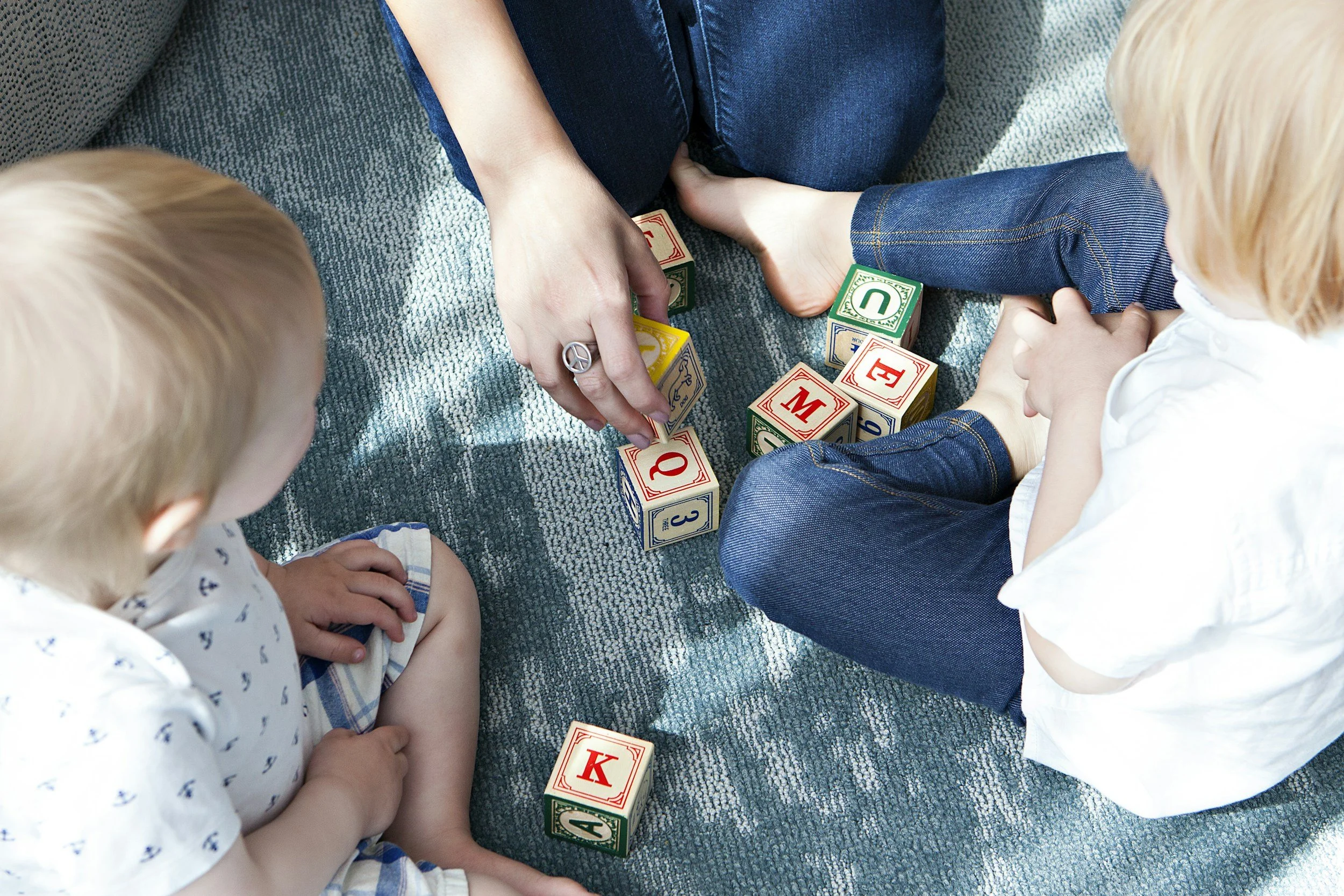
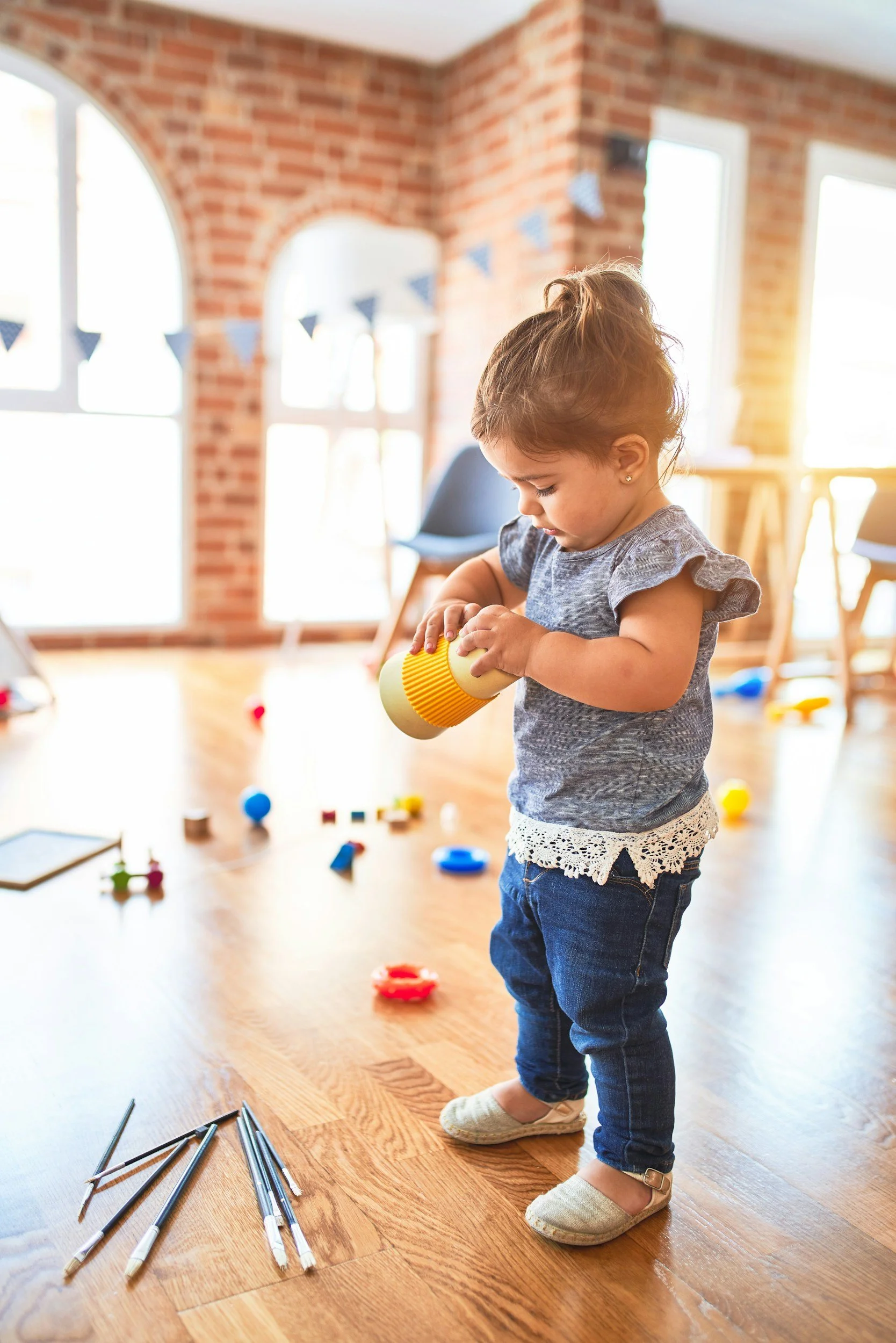
Play is the child’s natural medium of communication, and toys function as their words.
Developmentally, young children do not possess the abstract verbal mastery required to articulate complex emotional experiences or internal conflicts. Expecting a child to sit on a couch and "talk through" their pain forces them to accommodate adult language. Play bridges the gap between concrete experience and abstract feeling. Through play, children naturally externalize their inner worlds, gain mastery over overwhelming events, and process their deepest emotions at a safe symbolic distance.
-
Item descriptionFamilies come to play therapy for many reasons, including:
Emotional Struggles: Persistent anxiety, excessive fears, deep sadness, or sudden mood changes.
Behavioral Challenges: Explosive anger, aggression, impulsivity, or difficulty accepting boundaries.
Life Transitions & Trauma: Navigating family changes, divorce, grief and loss, medical illness, or traumatic events.
Relational Strain: Conflict at home, difficulty connecting with parents, or challenges making friends at school.
-
ALEX PODCAST
here I was thinking we actually put resources for parents, such as anything we have about parenting children through disruptive behaviors, grief, that soprt of thing if we have anything
Also i think chipp has a book about parenting? so that, needs of the heart, and probvably ovice of the heart too haha
also if theres anything about family therapy or working with parents AND children (not sure if thats something we explicitly do) but that would be helpful im’ sure as well
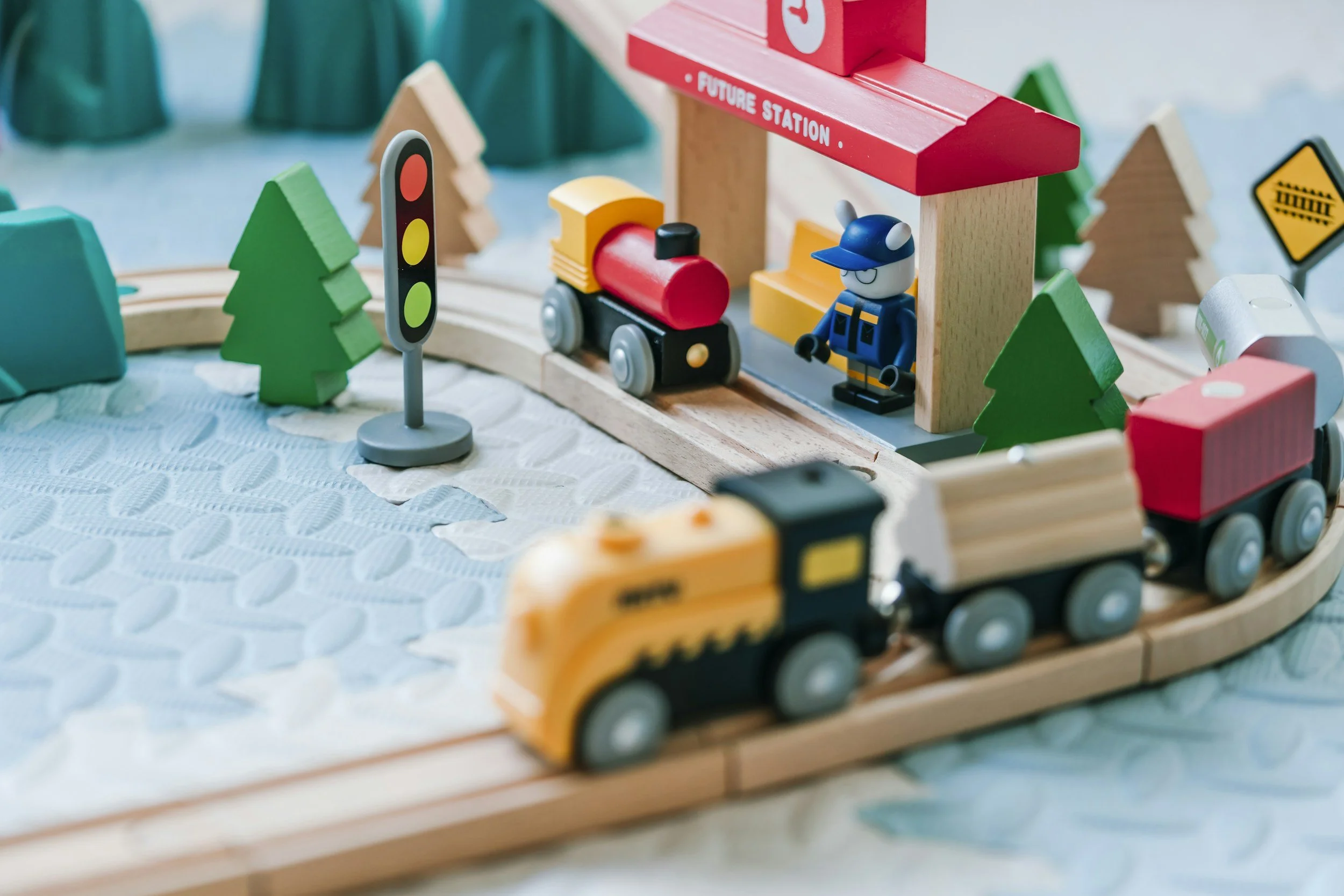
PHOTO OF PLAYROOM HERE

Your Child is More Than Their Behavior
A core rule of play therapy states: "The facts about a child do not tell very much about the person of a child".
It is easy to get trapped in viewing a child through their diagnostic labels, school reports, or behavioral disruptions. But performance is a poor replacement for presence. Your child is not their meltdown, their anxiety, or their grade-point average. They are an image-bearer of immense worth, navigating a complex world. Play therapy seeks to look past the surface noise of behavior to discover, honor, and liberate the vulnerable inner person of your child.
Parent Consultation & Caregiver Support
Because play therapy considers the entire family system, regular parent consultation sessions are held without the child present. These sessions will take place once every three to five sessions a clinician has with the child.
During these sessions, we:
Check in regarding home and school life.
Collaborate on play themes (such as safety, power/control, or mastery) occurring in the playroom.
Equip parents with relational skills—such as reflective listening, choice-giving, and special playtimes—to strengthen family connection.
How Does Play Therapy Work?
-
The playroom is an environment specifically designed to convey warmth and freedom: a room that whispers to the child, "This is a place for children".
It is stocked with carefully selected toys across key therapeutic categories:
Real-Life & Nurturing Toys (dolls, kitchen sets, care items) for exploring family dynamics and attachment.
Aggressive/Release Toys (bop bags, dart guns, soldiers) for safely discharging anger and testing limits.
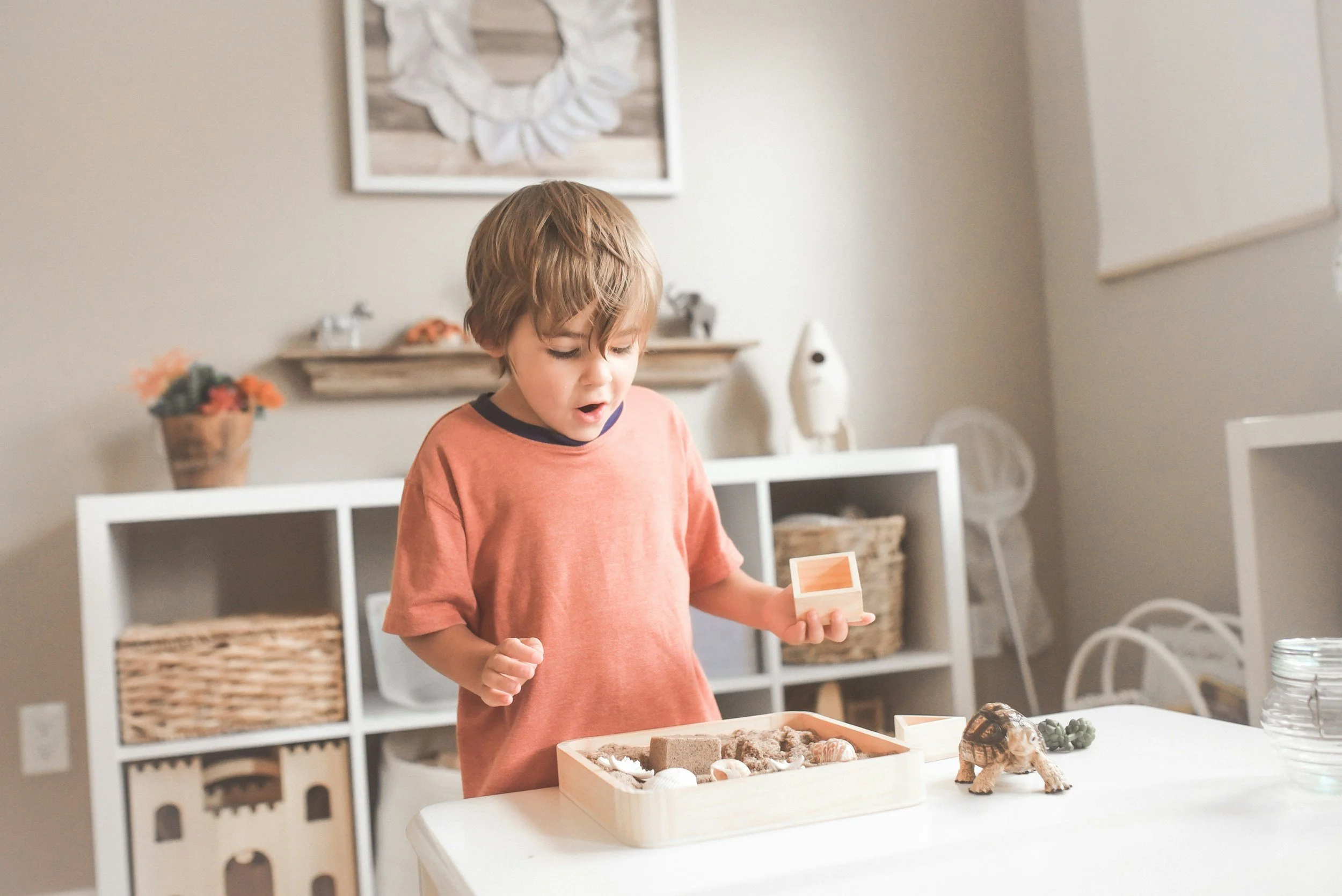
Creative & Expressive Toys (sand, paints, clay, puppets) for symbolic expression and emotional release.
Structuring is minimal. When entering, the therapist communicates: "In here, you can play with the toys in a lot of the ways you would like". Physical and emotional safety is maintained through structured ACT Limit Setting: Acknowledge the feeling, Communicate the limit, and Target an acceptable alternative.
-
Rather than directing, teaching, or evaluating, the play therapist’s focus is on "being with" your child. The therapist actively radiates four essential conditions: genuineness, unconditional positive regard, empathic understanding, and psychological contact.
Throughout the session, the therapist communicates Four Healing Messages with their total person:
I am here (I am fully present with you).
I hear you (I listen with my eyes and ears).
I understand (I accept your inner world).
I care (My caring releases your inner potential).
Verbal responses focus on tracking behavior, reflecting feelings, returning responsibility, facilitating creativity, and building self-esteem.
-
Parents are the primary relational anchors in a child's life. Play therapy is an "inside-out" family journey. Children thrive when parents shift from external behavior modification to heart-centered presence and attunement.
Parents are encouraged to care for their own emotional health—dismantling performance-based vows and listening to their own feelings and needs—so they can offer a safe Circle of Security at home where their child’s needs to belong (be accepted for who they are) and matter (be valued for their unique self) are continually affirmed and confirmed.
What Change Can Look Like
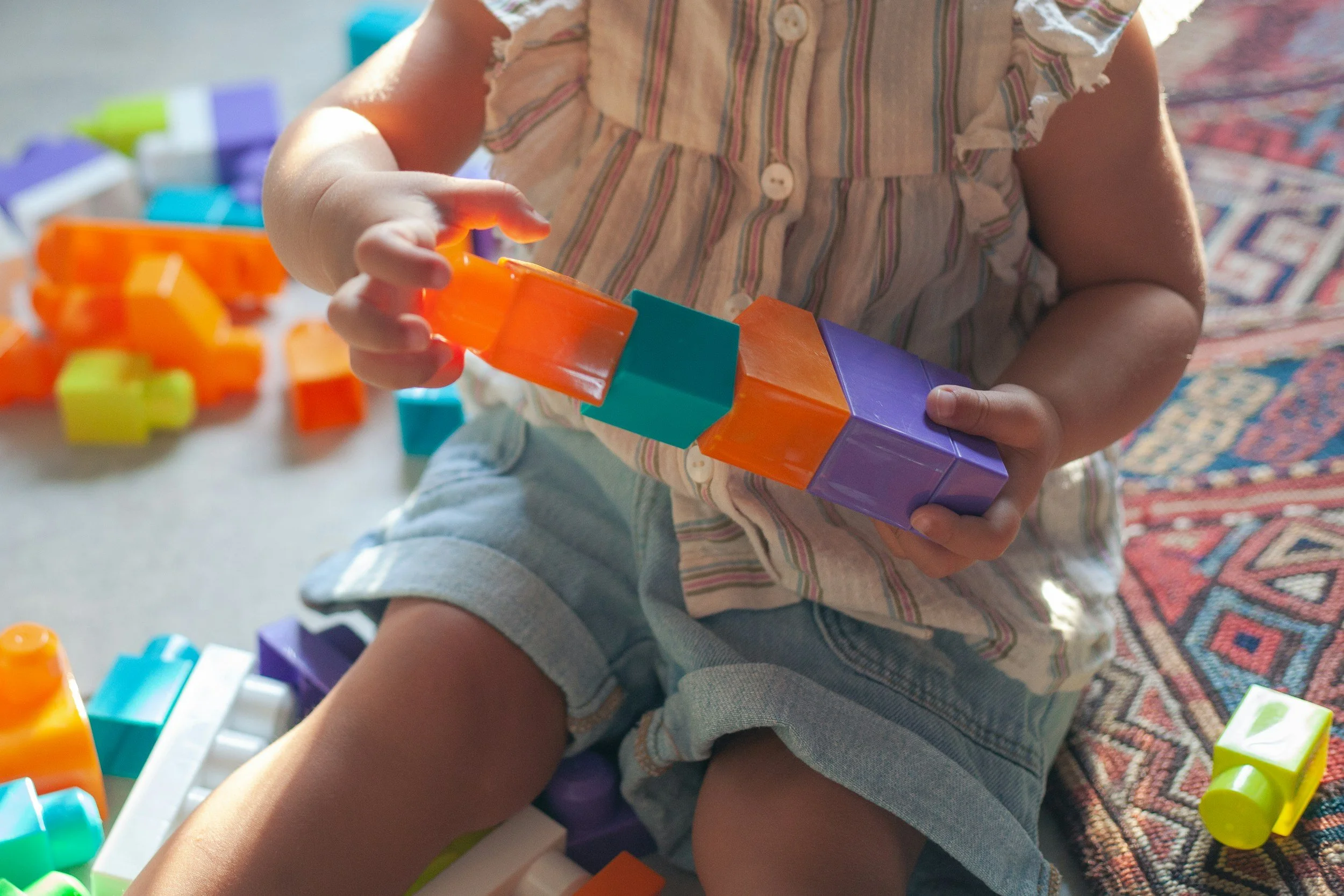
Therapeutic change in CCPT is an organic, internal process rather than an enforced behavior checklist. As children experience being understood and accepted, they shift from reactive survival strategies to authentic "response ability"—the capacity to feel their feelings, confess their needs, and make self-enhancing choices.
Over time, parents typically observe:
Decreased explosive outbursts or tantrums.
Higher frustration tolerance and improved decision-making.
Increased self-confidence, self-acceptance, and responsibility.
Deeper emotional expression and greater warmth within family relationships.

Confidentiality: What Parents Will Know
To ensure the playroom remains a safe sanctuary where your child can express guarded or scary feelings without fear of criticism or evaluation, the specific details of your child's play and words are kept private between the therapist and child. During consultations, your therapist will share general impressions, emotional progress, play themes, and guidance for home. Safety is paramount: if a child reveals information regarding safety risks, appropriate action is taken immediately. When your child finishes a session, simply welcome them back without quizzing them on what they did or if they "had fun".
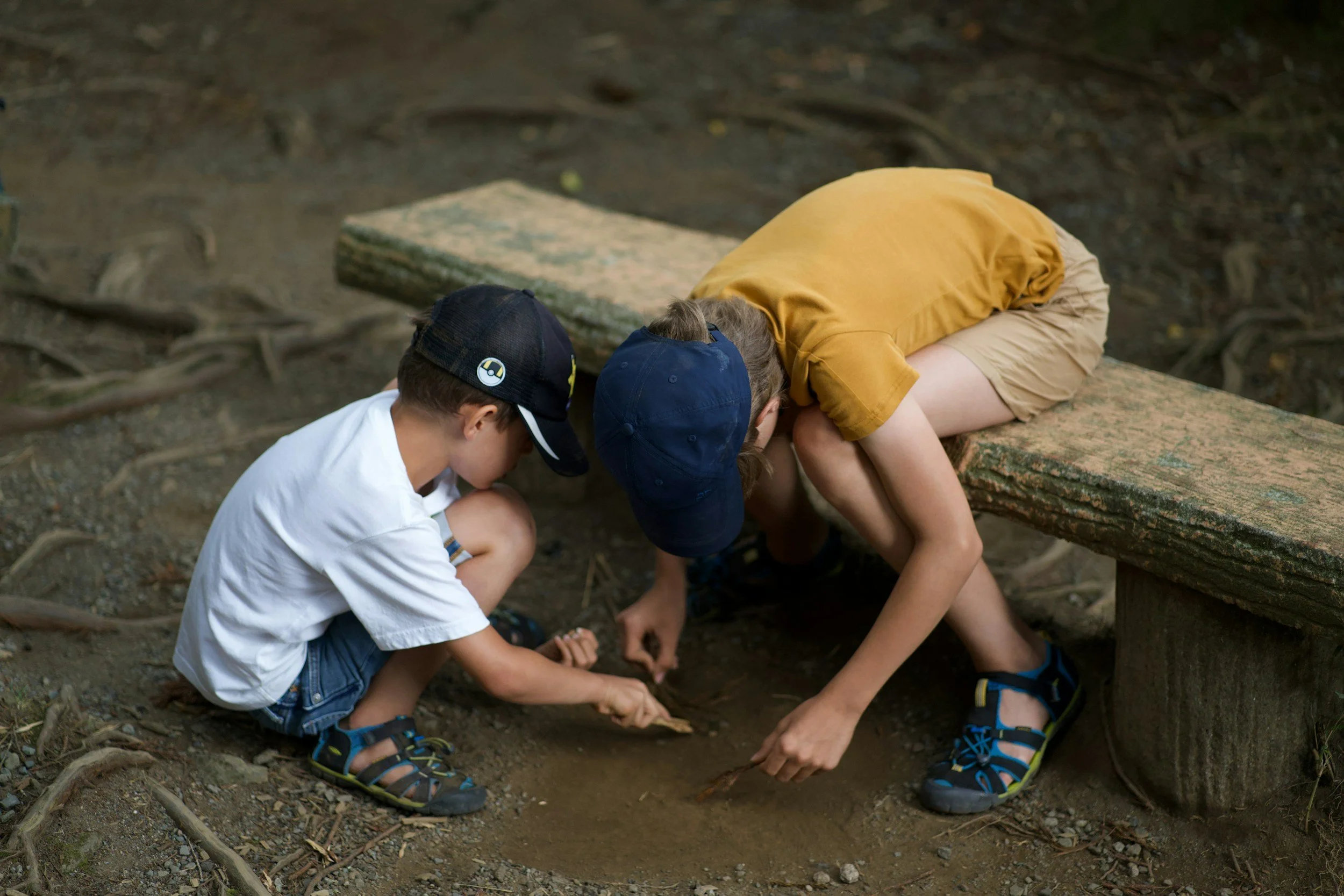
Faith, Soul, Care, and Spiritual GrowthHuman beings are created emotional and spiritual creatures. True spiritual vitality is not found in legalism or forced performance, but in emotional honesty: feeling your feelings, telling the truth, and surrendering the process.
In our practice, we honor the spiritual root of every human soul. By creating a therapeutic environment filled with grace, empathy, and truth, we invite children and families to experience the healing presence of God, recovering the courage to live fully, love deeply, and lead well from the heart.
How Are You Feeling Today? Podcast
WHAT IS IT
Alex Courington
WHY IS IT HELPFUL
PHOTO OF PLAYROOM HERE
Meet the Play Therapy Team

Alex Courington
who am i
LMPF ...
Jackson Webb
who am i
MA

Desription
Dot Smith
who am i