
Breaking Free from Codependency: Rediscovering Your Heart
Human beings are wired for connection. From the moment we enter the world, we rely on relationships for survival, growth, and emotional regulation. Neuroscientist Allan Schore describes how our right brain syncs with our caregiver’s right brain, forming what’s known as limbic resonance—our natural ability to attune to others.
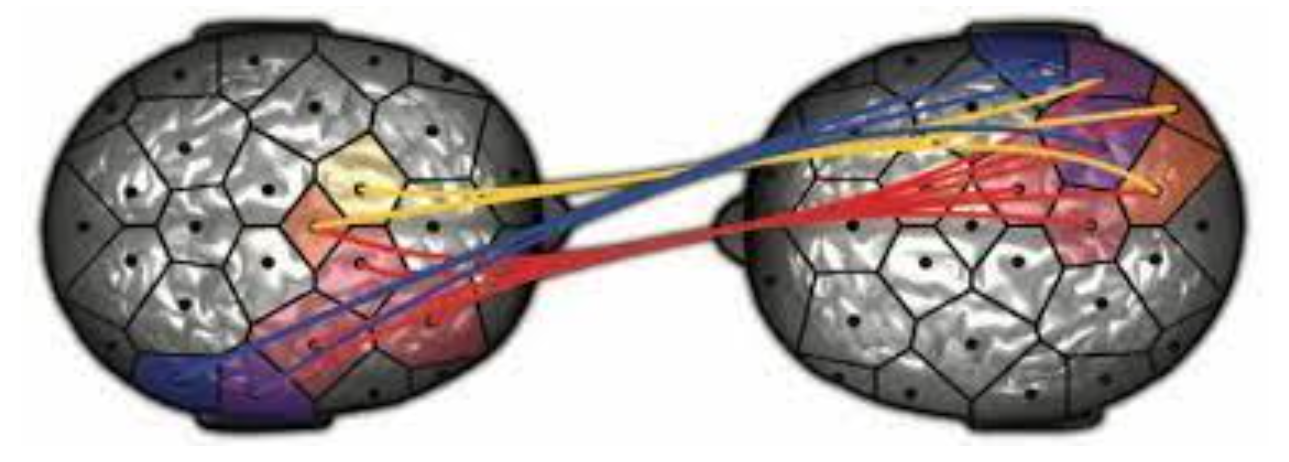
This need for connection never disappears; it remains essential throughout our lives. However, when relationships become dysfunctional, our innate attachment system can get hijacked, leading us to use our attachment system to hide our heart from the other (our feelings, our limits, our desire) as a way to manage or control the other.
The Roots of Codependency
Codependency isn’t about needing too much—it’s about how we attempt to meet our needs in unhealthy ways. When we grow up in environments where emotional needs aren’t met, we don’t simply turn off our attachment system. Instead, we adapt by over-functioning, caretaking, and losing ourselves in the emotions of others. We become like a bucket with a hole, constantly pouring out but never feeling full.
At its core, codependency is the chronic dismissal of self—our feelings, needs, and desires—to maintain relationships. Instead of accepting our limits and practicing healthy dependence, we attempt to control situations or people. This leads to exhaustion, resentment, and an inability to experience true intimacy.
Boundaries: The Path to Freedom
A key step in codependency recovery is understanding boundaries. Boundaries define what we are responsible for and what we are not. Codependency blurs these lines, making us feel responsible for other people’s emotions, actions, and beliefs. Healthy boundaries help us differentiate between being responsible to others versus being responsible for them.
Responsible to others: I can offer support, empathy, and care, but I cannot control their choices.
Responsible for myself: I must honor my own feelings, needs, and values even when I don’t know the outcomes.
By setting boundaries, we begin practicing true relational freedom. We learn that we are worthy of love not because of what we do for others but simply because we are worth it.
Embracing the Six Freedoms
Recovery from codependency isn’t about becoming independent—it’s about embracing healthy dependency. Only when we embrace healthy dependency can we practice an independence from others who do not want our good. As Dr. Dodd teaches (link to 14 symptoms of codepdency), these are the true freedoms that our control over others takes from us:
I have the freedom to see what I see.
I have the freedom to feel what I feel.
I have the freedom to need what I need.
I have the freedom to talk about my heart’s experience.
I have the freedom to trust my heart with others.
I have the freedom to imagine myself living fully (imagination).
Breaking free from codependency is not about needing less—it’s about needing better. By facing our reality, setting boundaries, and embracing our true selves, we step into a life of genuine connection and joy.
Written by Colton Shannon, Ph.D.